
The Industry Has Changed. Maybe Your Procurement Process Should, Too.
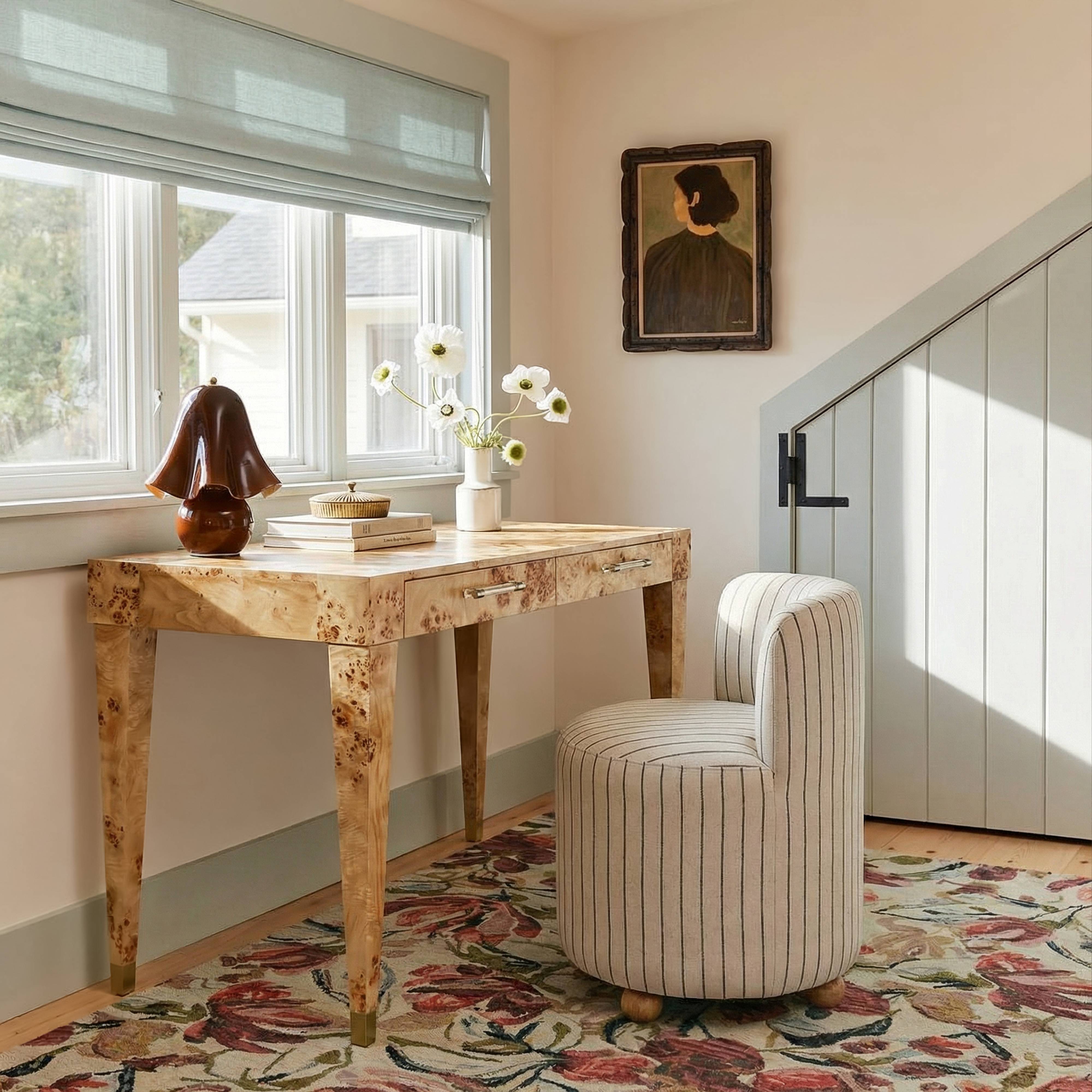
Image courtesy of Daniel House Club vendor TOV
For decades, procurement in the design industry has followed a familiar path. Designers build relationships with dozens of vendors. They learn pricing structures. They navigate freight, backorders, invoices, claims, and customer service. Over time, those relationships become a valuable part of their business. And for many firms, that model still works, but the industry is changing.
Clients move faster. Projects are more complex. Labor costs continue to rise. And perhaps most importantly, time has become one of the most valuable resources inside a design firm. The question isn't whether the traditional procurement model has value. It’s whether it remains the best use of a designer's time.
The Hidden Cost of Managing Procurement
Most designers don't get into this business because they love tracking purchase orders or reconciling invoices, yet procurement often consumes a surprising amount of a firm's attention.
Managing dozens of vendor relationships means managing dozens of ordering systems, shipping policies, service teams, and problem-resolution processes. Each vendor relationship creates opportunity, but it also creates administrative work.
As firms grow, that workload grows with them. Procurement isn’t just difficult, it’s often disconnected from the work clients actually hire designers to do. Clients are paying for expertise, creativity, judgment, and execution. They're not paying for hours spent chasing freight updates. Or perhaps we should say, it is not intuitive to them that this is part of what their money should be spent on.
A New Model for a New Reality
The most successful businesses in every industry eventually reach the same conclusion: specialization creates efficiency. Rather than building every function internally, they partner with experts. Accounting firms use payroll providers. Builders use subcontractors. Designers increasingly use procurement partners.
That's where Daniel House Club comes in. *scroll to the bottom of this post for exclusive IDS pricing
Instead of maintaining countless vendor accounts and managing every procurement detail internally, designers gain access to a streamlined purchasing platform backed by a dedicated team that handles the operational heavy lifting. The result isn't less control. It's more leverage. Designers can continue focusing on design while Daniel House Club focuses on procurement.
Better Margins Without More Work
One of the assumptions many firms make is that maintaining direct vendor relationships is the most profitable approach. Sometimes, that's true, but profitability isn't determined solely by trade discounts. It's determined by what remains after accounting for labor, administrative overhead, and opportunity cost.
Every hour spent processing orders, resolving claims, or managing vendor communication is an hour that can't be spent serving clients, winning projects, or growing the business. When procurement becomes more efficient, firms often discover that margin improves in two ways:
- Reduced administrative burden
- Increased capacity for revenue-generating work
In other words, profitability isn't just about buying better. It's about operating better.
Relationships Still Matter
One concern designers sometimes have about outsourced procurement is the fear of losing the relationships they've spent years building, and that's understandable. Relationships remain one of the strengths of our industry, but modern procurement doesn't eliminate relationships; it changes how they're managed.
The goal of Daniel House Club isn't to replace the human side of the business. The goal is to remove unnecessary complexity so designers can spend more time where relationships matter most: with clients, partners, and collaborators.
Procurement as a Growth Strategy
The firms that thrive over the next decade won't necessarily be the ones working the hardest. They'll be the ones building the most efficient businesses.
That means evaluating every part of the operation and asking a simple question:
"Is this the highest and best use of our team's time?"
For an increasing number of design firms, procurement no longer passes that test. The traditional model helped build the industry. It deserves respect. But as firms look for ways to protect margins, improve efficiency, and create capacity for growth, a new approach is emerging.
Daniel House Club wasn't created because the old way was wrong. It was created because designers deserve a better one.
Ready to restrategize? Apply to the Club.
IDS Members receive 50% off on Daniel House Club membership when you apply for a Signature Membership or add Free Shipping to your Pro Membership. Just use code IDS2026 at checkout.